To solve the problem of “false organic” claims, the Government of India has created organic certification systems to verify these claims.
India mainly has two organic certification systems:
- NPOP — National Programme for Organic Production
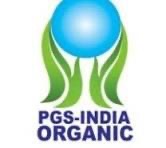
- PGS — Participatory Guarantee System
Both are government-recognized systems, but they are not the same.
NPOP vs PGS: What Is the Difference?
|
Point |
NPOP |
PGS |
|
Verification |
Certified by independent third-party certification bodies. |
Verified by farmer groups through peer review. Farmers mutually check each other. |
|
Market Use |
Accepted for both Indian and export markets. |
Restricted for Exports. Accepted for domestic Indian markets only. |
|
Standard Level |
Stricter and aligned with international organic standards. |
More relaxed and designed mainly to support small farmers. |
|
Recognition |
Recognized in India and accepted by several international markets. |
Recognized within India only. |
|
Trust Factor |
Higher, because claims are checked by external certifying agencies and standards are stricter and more internationally aligned. |
Lower compared to NPOP, because verification is done within farmer groups and relaxed standards. |
|
Logo |
|
|
Why NPOP Gives Higher Trust
Because the organic claim under NPOP is verified by independent certification bodies. These agencies inspect farms, check records, and confirm whether the product follows organic standards.
NPOP standards are stricter and more aligned with global organic practices and recognised internationally by Europe, USA, Switzerland and many others.
For customers who want stronger verification, stricter standards, and higher trust, NPOP certification gives better assurance.
How do you know whether a product is certified organic under the NPOP standards?
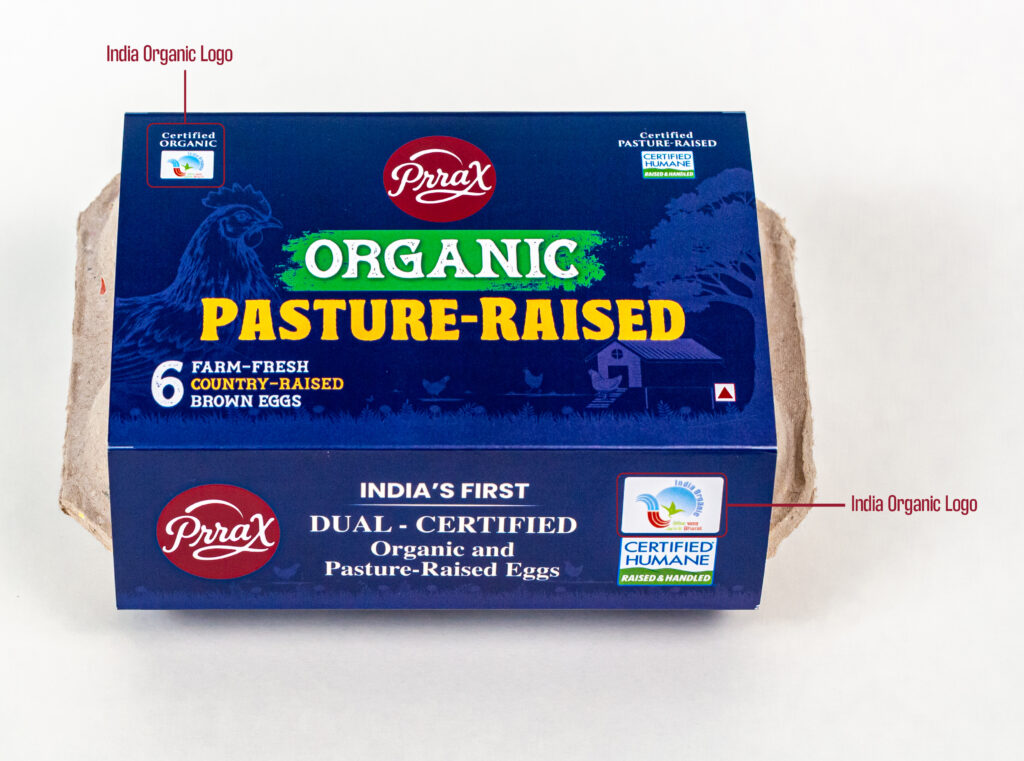
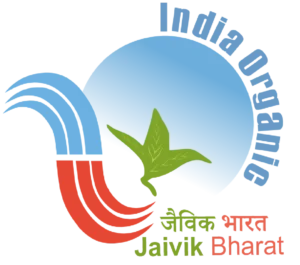
Look for the “India Organic” logo